Dream incubation: seeding a question into sleep

Dream incubation is the directed seeding of a specific theme, question, or problem before sleep with the goal of receiving a response in REM content. Unlike lucid-dream induction, incubation does not require conscious awareness inside the dream: what matters is the processing of the theme in the dreaming state. The method is ancient — described in Greek, Roman, Indian and Tibetan traditions — but systematised in modern form by Deirdre Barrett, professor of psychology at Harvard, in her book "The Committee of Sleep" (2001).
What Barrett showed. In her experimental series, 76% of participants who ran a one-week incubation protocol reported a dream-related insight, a solution to a practical problem, or clarification of an emotional question. Control groups without the protocol scored significantly lower. The effect strengthened by the third or fourth night: the first two are usually "empty" while the brain adapts to the new task.
Step one: formulation. Write the question as one short sentence — by hand, not on a phone. Precision matters more than elegance: "How do I exit the conflict with N" is better than "What should I do next". If the question is complex, break it into a series of one per night. No more than one question per night. Place the written sheet on your nightstand, text facing up.
Step two: pre-sleep ritual. For 10–15 minutes before sleep, in bed, in the dark, hold the question in your head without trying to solve it. If answers come — don't grab onto them and don't reject them, just notice. Barrett is firm on this: the rule is don't solve. The solution should come from the dream, not from waning daytime thinking. A light relaxation technique helps here — slow 4-7-8 breathing or a body scan.
Step three: trigger object. A small physical item connected to the question, next to the bed. If it's about a negotiation — your counterpart's business card; if a creative block — a pencil; if a relationship — a photograph. Barrett showed that a physical anchor raises the chance of the theme reaching REM by 20–30%.
Step four: the first morning. Record the dream content earlier than any other action. Before talking to anyone, before social media, before getting out of bed. Dream memory degrades in the first 90 seconds after waking, and any distraction finishes the job. Write everything down, even fragments that seem unrelated to the question — connections show up later.
Step five: continue for 5–7 nights. One or two cycles rarely yield an answer. Per Barrett's data, the sharp rise in relevant dreams occurs on nights three to four. If there is no answer after a week, the problem is usually the formulation: the question is too abstract or contains multiple mixed themes. Reformulate and start over.
Use cases for leaders and creative work. The method works well with negotiation scenarios (modelling the opponent), creative blocks (finding form for material already collected), and emotional questions (where the mind has locked onto a single interpretation). It works poorly with factual questions of the "give me new information" type — the dream does not import data from outside; it only restructures what is already in memory.
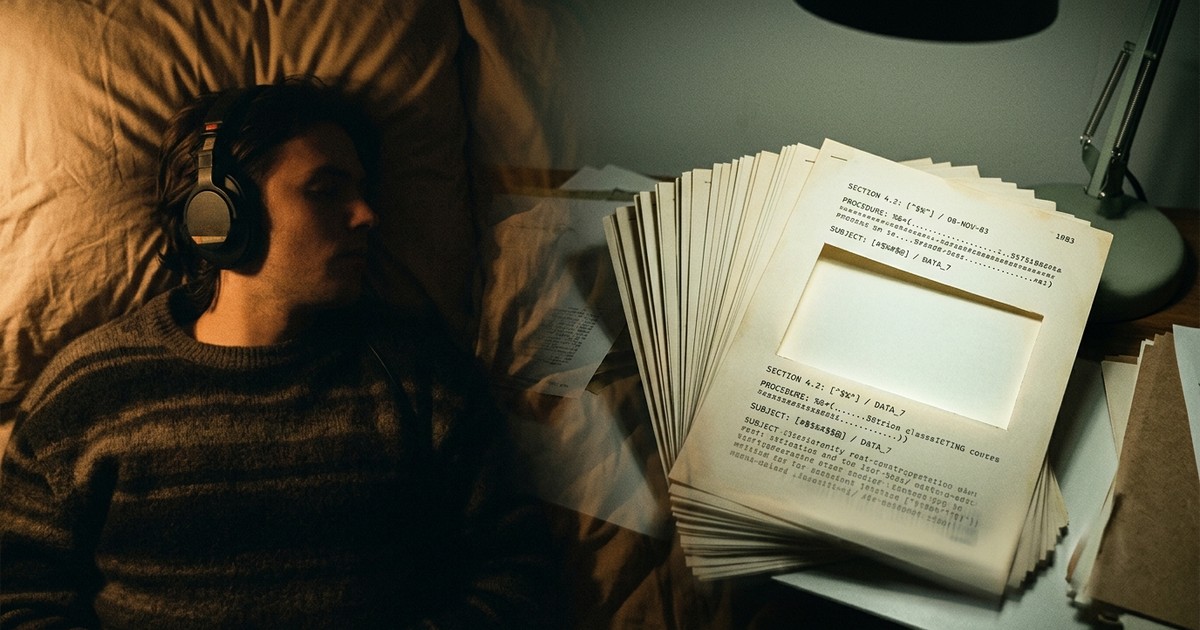
The CIA Astral Projection Report: What the Gateway Document Actually Says and What Was on the Missing Page 25
The document is real and you can download it: 29 pages, dated 9 June 1983, signed by Lieutenant Colonel Wayne McDonnell. It is not a CIA report and not a manual for astral projection — it is an Army memo assessing a commercial audio course. Here is the primary source: what it says about leaving the body, why one page was missing for eighteen years, and what turned out to be on it.
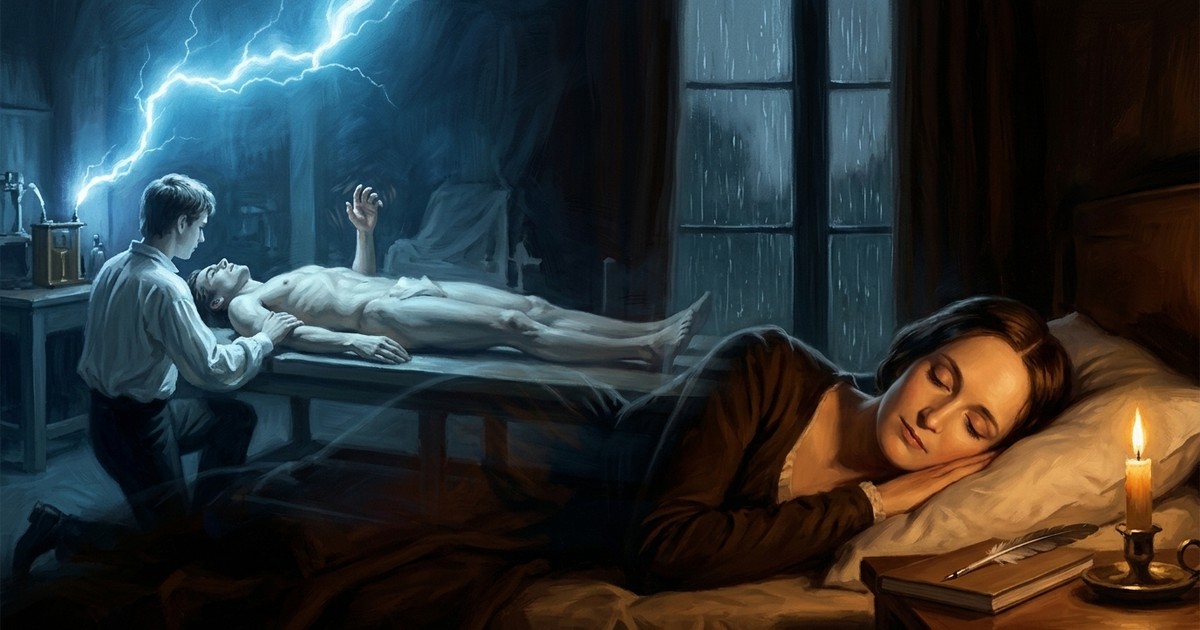
Mary Shelley Dreamed Frankenstein — Except She Wrote That She Was Not Asleep
Mary Shelley described that night herself: “I did not sleep, nor could I be said to think.” Not a dream but the threshold of sleep — and before it came days of deliberate work on an assigned problem, a late-night conversation about the principle of life, and years of a trained childhood habit of “waking dreams”. Here is the primary source, the 1831 introduction, together with where it is weak.