WBTB: the wake-back-to-bed method in 4 steps
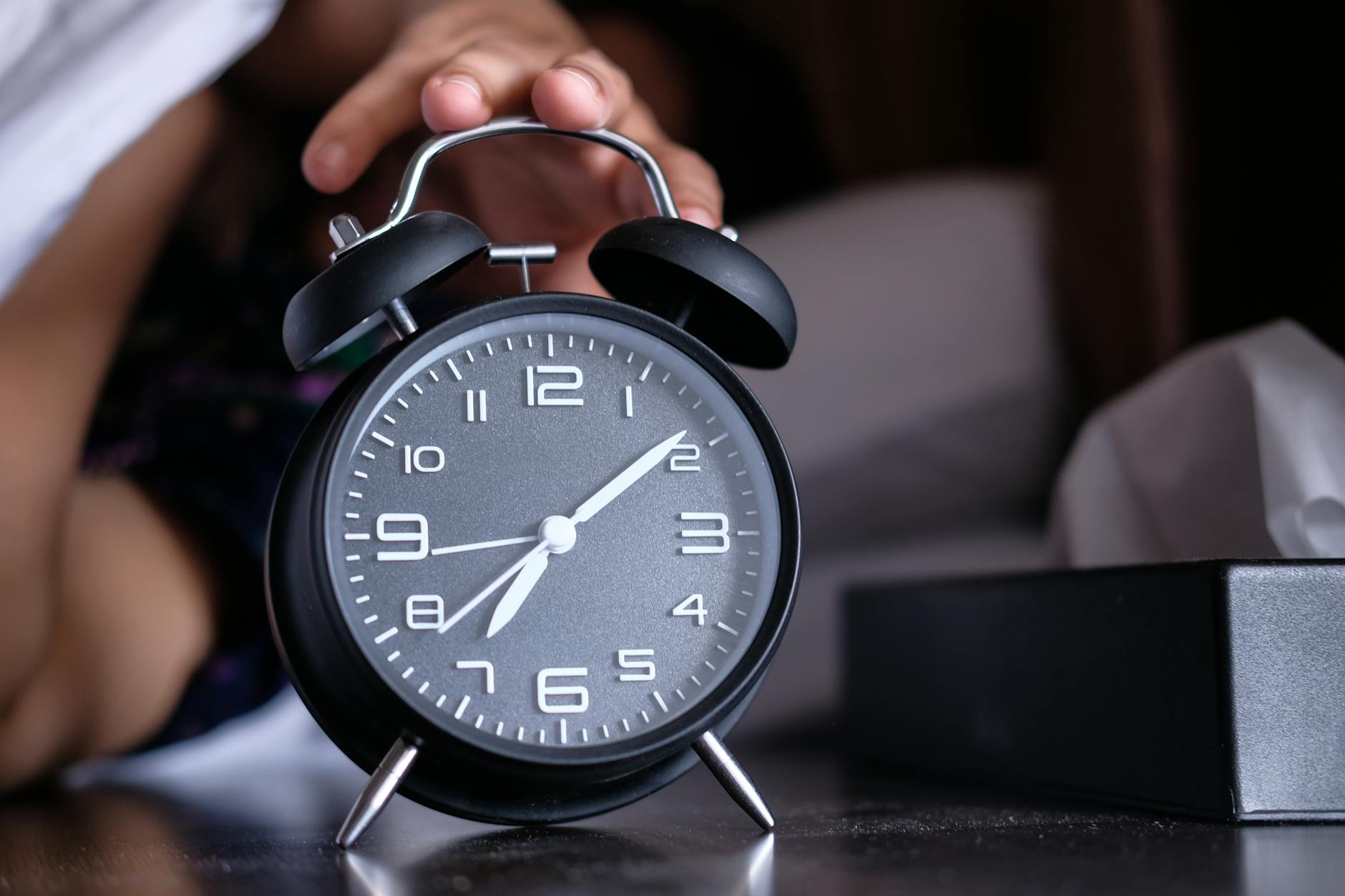
WBTB — Wake-Back-To-Bed — is a technique built on the natural architecture of human sleep. One sleep cycle is about 90 minutes long and consists of slow-wave (body restoration) and REM (dreaming) phases. The first half of the night is dominated by slow-wave sleep with short REM; toward morning REM lengthens and intensifies — the last cycle can hold up to 45 minutes of unbroken REM.
The idea of WBTB. Interrupt sleep deliberately 2–3 hours before your usual wake time (roughly 5–6 hours after falling asleep), stay awake for several minutes, then return to sleep. Because of the interruption the brain compensates for the missed REM through the REM-rebound phenomenon — entering long REM almost immediately on falling asleep again. That gives the optimal window for entering a lucid dream through MILD or WILD.
Step-by-step. Step 1: set the alarm for hour 5–6 of sleep. Step 2: get up, leave the bedroom, stay awake 20–60 minutes. Step 3: during this interval engage in thematic activity — re-read your dream journal, read field literature, meditate. Bright screens (phone, laptop) are forbidden: blue light suppresses melatonin and provokes full awakening. Step 4: return to bed, perform MILD intention or begin the WILD procedure.
Awake time. 20 minutes for experienced practitioners, 40–60 minutes for beginners. A shorter window fails to activate the prefrontal cortex; a longer one kicks you out of sleep entirely. Personal optimum is tuned experimentally over 2–3 weeks.
The cost of the method. WBTB is the most aggressive induction in physiological terms. Regular sleep interruption fragments circadian rhythms, deprives the body of a significant share of slow-wave sleep (responsible for physical restoration and immunity), and accumulates daytime fatigue. I never recommend WBTB more than twice a week.
Combinations. WBTB + MILD is the best-studied pairing, the research gold standard. WBTB + WILD is for the experienced, when WILD does not work from a fresh wake-up. WBTB in isolation is almost never practised — without a partner technique it is pointless.
Common mistakes. The first and most common is staying awake too long: sit up for much over an hour and the sleepiness fades, so you cannot drop back into REM. Beginners should hold to 30–40 minutes. The second is a bright screen, since a phone or laptop in the awake window kills melatonin and wakes the brain fully. The third is the wrong point in the cycle: wake yourself 5–6 hours after falling asleep, at the tail of slow-wave sleep, not at a random moment. The fourth is frequency, because WBTB every night is not training but cumulative sleep deprivation, and within a week the practice collapses along with your routine. The fifth is getting up sharply and starting on tasks: the point of the window is not to wake up but only to nudge the prefrontal cortex awake, so keep the light dim, the body calm, and attention on your dream journal.
When to apply. WBTB makes sense when baseline MILD fails to deliver after 4–6 weeks of consistent practice, or when there is a specific task to be worked through at night (a critical conversation, a creative search). As a daily technique — no; as a targeted tool — yes.
FAQ
- What is WBTB?
- Wake-Back-To-Bed: interrupt sleep 5–6 hours after falling asleep, stay awake 20–60 minutes, then return to sleep. The brain compensates the missed REM with a long cycle — an ideal window for lucidity.
- How long should I stay awake for WBTB?
- 20 minutes for the experienced, 40–60 for beginners. The personal optimum is found over 2–3 weeks.
- How often can I do WBTB?
- No more than twice a week. It is the most aggressive technique by physiological cost: regular sleep interruption fragments circadian rhythms.
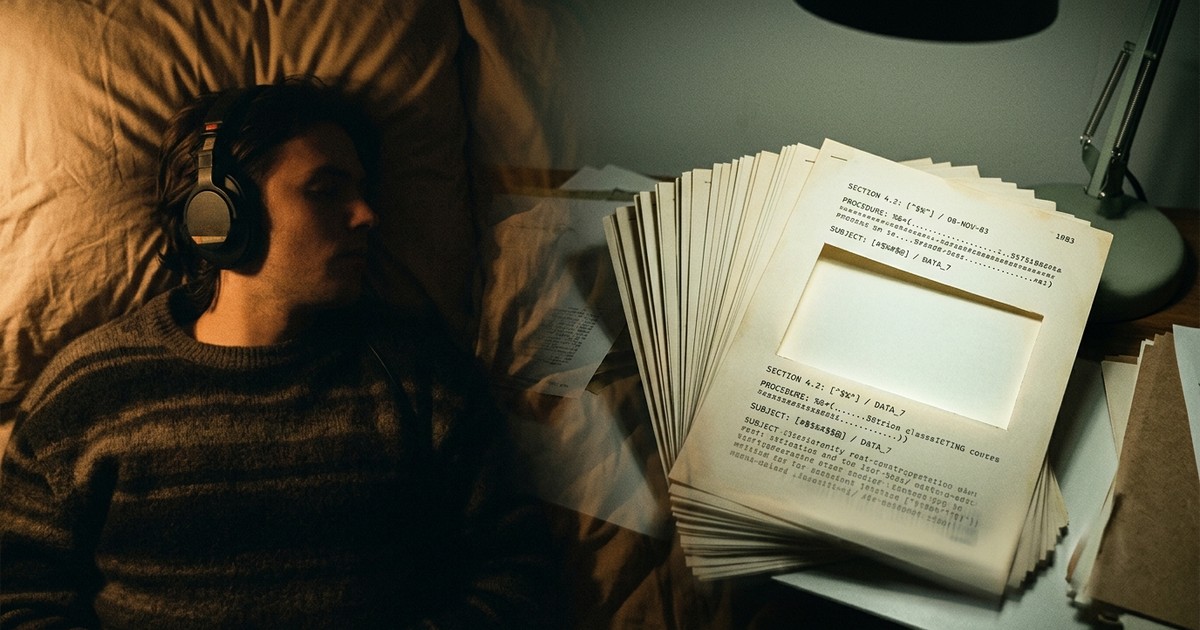
The CIA Astral Projection Report: What the Gateway Document Actually Says and What Was on the Missing Page 25
The document is real and you can download it: 29 pages, dated 9 June 1983, signed by Lieutenant Colonel Wayne McDonnell. It is not a CIA report and not a manual for astral projection — it is an Army memo assessing a commercial audio course. Here is the primary source: what it says about leaving the body, why one page was missing for eighteen years, and what turned out to be on it.
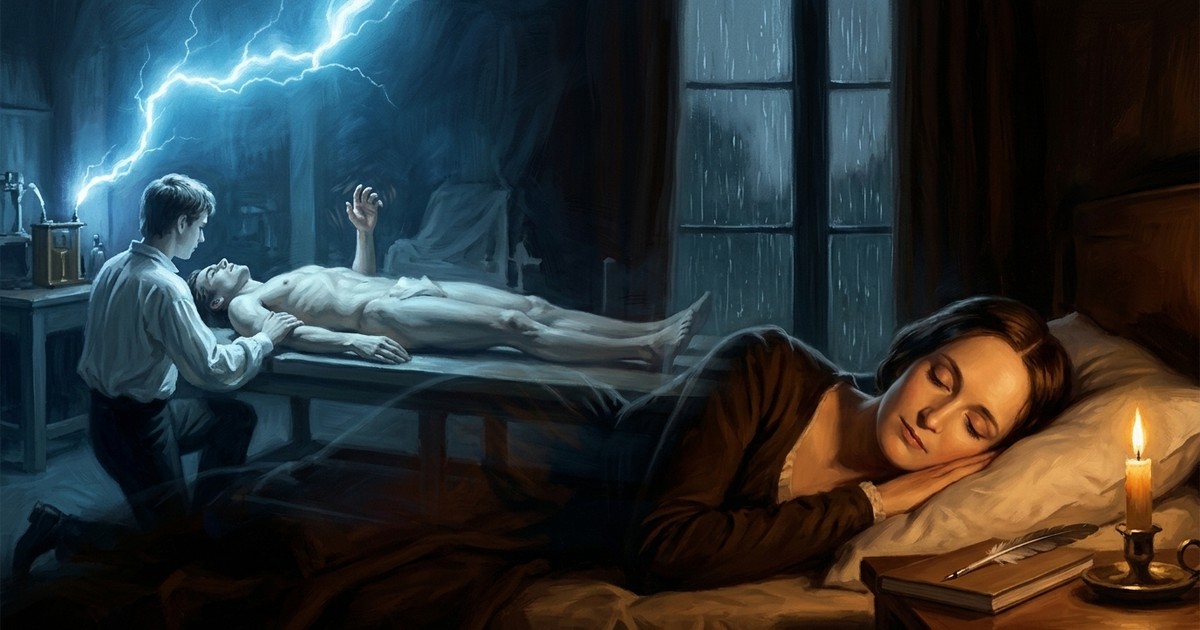
Mary Shelley Dreamed Frankenstein — Except She Wrote That She Was Not Asleep
Mary Shelley described that night herself: “I did not sleep, nor could I be said to think.” Not a dream but the threshold of sleep — and before it came days of deliberate work on an assigned problem, a late-night conversation about the principle of life, and years of a trained childhood habit of “waking dreams”. Here is the primary source, the 1831 introduction, together with where it is weak.