Field notes
Guillermo del Toro’s Lucid Dreams: The Childhood Nightmares That Became Pan’s Labyrinth
Del Toro connects the faun to his childhood dream. An original transcript verifies attribution, not a clinical diagnosis or treatment.
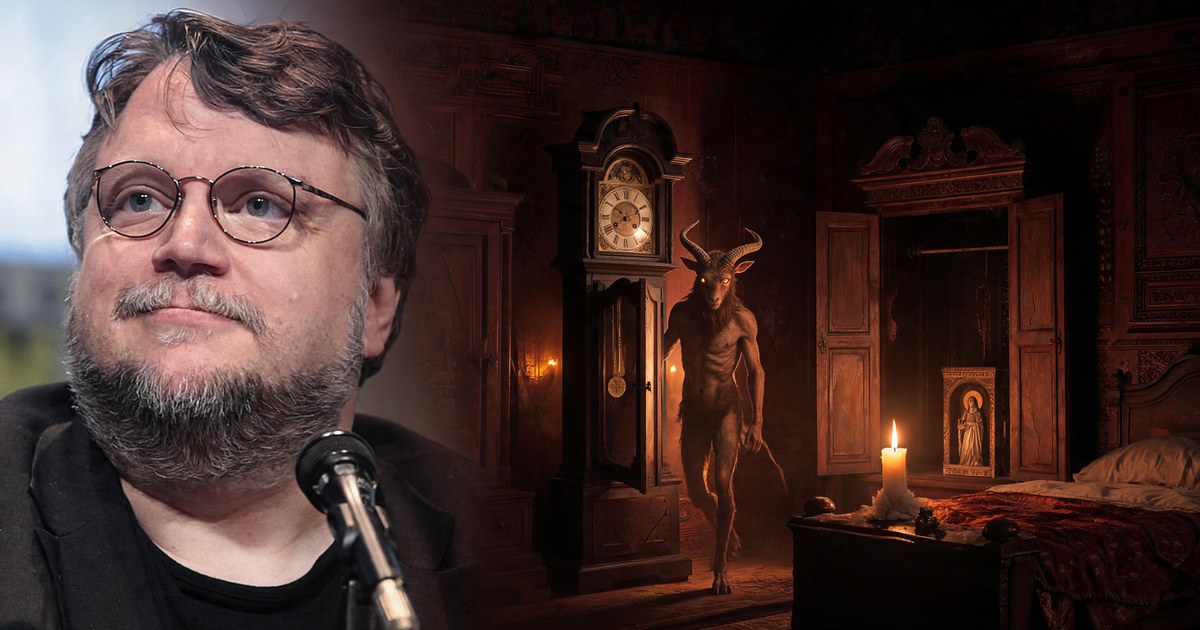
Guillermo del Toro himself connects the film’s faun to a recurring childhood dream. Unlike a laboratory study, this is a late personal recollection.
The original account
Fresh Air with Terry Gross, rebroadcast 18 May 2007 provides audio and a transcript of their January 2007 conversation. Del Toro says lucid dreaming still occurs occasionally in adulthood.
He describes waking inside a dream in the setting in which he fell asleep, and a faun emerging from behind his grandmother’s armoire. He connects that image to the film’s designed faun. This verifies attribution, not a mechanism.
No diagnosis from an interview
The description may resemble a false awakening. It cannot establish NREM sleep terrors, REM, a particular brain region switching on or a cause of trauma. A childhood nightmare is not automatically a clinical sleep terror.
No conversion into treatment evidence
Del Toro is not a participant in an LDT trial. His experience does not prove that lucidity reliably removes fear or replaces help for a child with recurring nightmares.
For an adult curious about ordinary dreams, a journal and MILD have practical limits. Distressing nightmares call for a clinician; LDT and PTSD need separate evaluation.
Sources and context
Links lead to studies, first-person accounts or edition information. The text distinguishes an abstract, secondary quotation or book description from a full original. The author's observations are not clinical evidence or a guarantee; no independent clinical review is claimed.
Keep reading
8 min read
The dream journal: invisible foundation
A simple dream-journal template, an example entry and a weekly review method — without fixed improvement promises or supplement advice.
10 min read
Lucid Dreaming Therapy for PTSD: the resignification method
What a small LDT study in patients with PTSD did and did not find, and why coaching cannot replace clinical care.