SSILD: induction through sense-cycling at the threshold

SSILD stands for Senses Initiated Lucid Dream. The method was published in 2011 by a user under the handle cosmic_iron on the dreamviews.com forum and has since become one of the most discussed induction techniques alongside MILD and WILD. There are no peer-reviewed studies on SSILD — it is a practice-driven technique, polished by thousands of forum users and YouTube practitioners. That is its weakness and its value at the same time: the method survived natural selection among real practitioners.
The mechanics are simple and superficially resemble meditation. After 4–5 hours of sleep and a brief awakening you lie on your back with closed eyes and run two sets of cycles. First, four to six "short" cycles: 5–10 seconds of attention to vision (visual patterns under closed eyelids), then to hearing (quiet sounds in the room), then to touch (body weight, contact with the blanket). Then four to six "long" cycles of the same content but 20–30 seconds each. After that, you fall asleep in your usual position.
Why it works. SSILD is "priming" of the sensory cortex inside the hypnagogic window. Attention to receptors at the moment of falling asleep keeps the prefrontal activity engaged — the same activity that normally switches off in ordinary sleep and leaves you "blind" to your own state. You're not trying to stay awake; the goal is to fall asleep. But the cortex is ready to respond to the next sensory event in the dream — and at the moment it appears, you realise you are dreaming.
When to use it. The best window is after WBTB at the 5th hour of sleep, the same as for MILD and WILD. SSILD is compatible with other techniques: many practitioners run MILD + SSILD as a single ritual, since MILD sets intention and SSILD supplies the neurophysiological conditions. Not every night: 2–3 times per week is enough, otherwise sleep fragmentation outweighs the gain.
Common mistakes. The first is turning SSILD into concentration instead of light, "touching" attention. If you strain to hear every sound, you block falling asleep. The second is trying to speed through the cycles in a minute. The third is skipping the awakening: SSILD without WBTB is significantly less effective because you need a transition point through brief wakefulness.
Where the method's limits are. SSILD works well for people who already have a stable dream journal and a basic reality-testing practice. Without them the technique becomes meditation without consequences — interesting but without result. I recommend SSILD as the fourth technique in a practitioner's repertoire, after mastering the journal, daytime checks, and MILD. It is not the first step but a fine-tuning instrument.
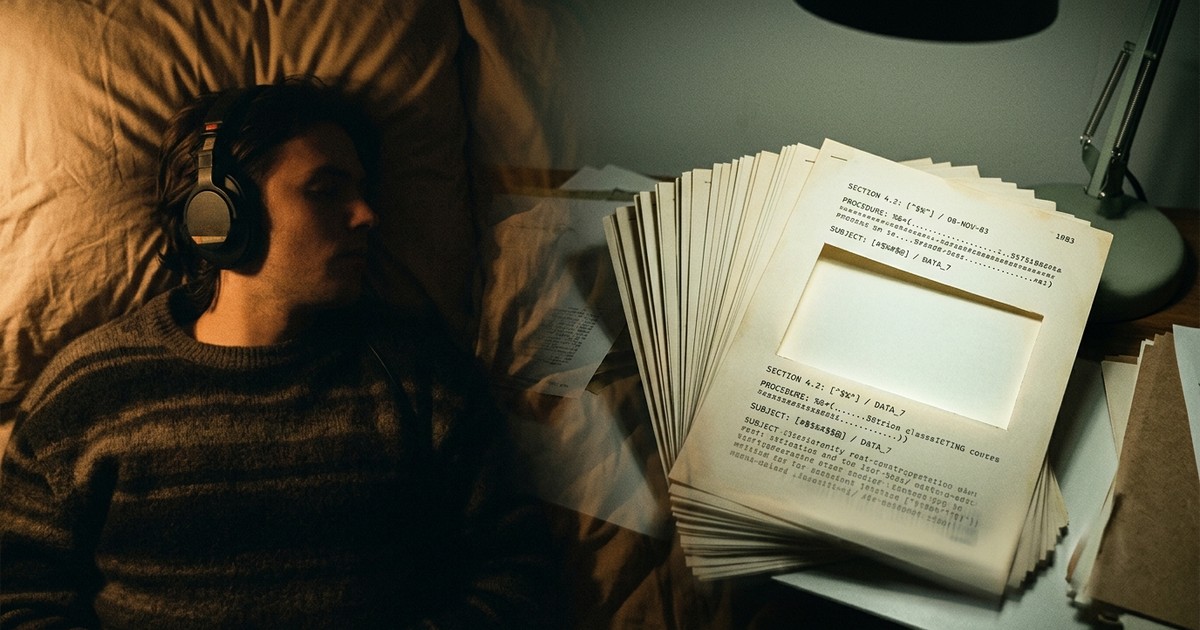
The CIA Astral Projection Report: What the Gateway Document Actually Says and What Was on the Missing Page 25
The document is real and you can download it: 29 pages, dated 9 June 1983, signed by Lieutenant Colonel Wayne McDonnell. It is not a CIA report and not a manual for astral projection — it is an Army memo assessing a commercial audio course. Here is the primary source: what it says about leaving the body, why one page was missing for eighteen years, and what turned out to be on it.
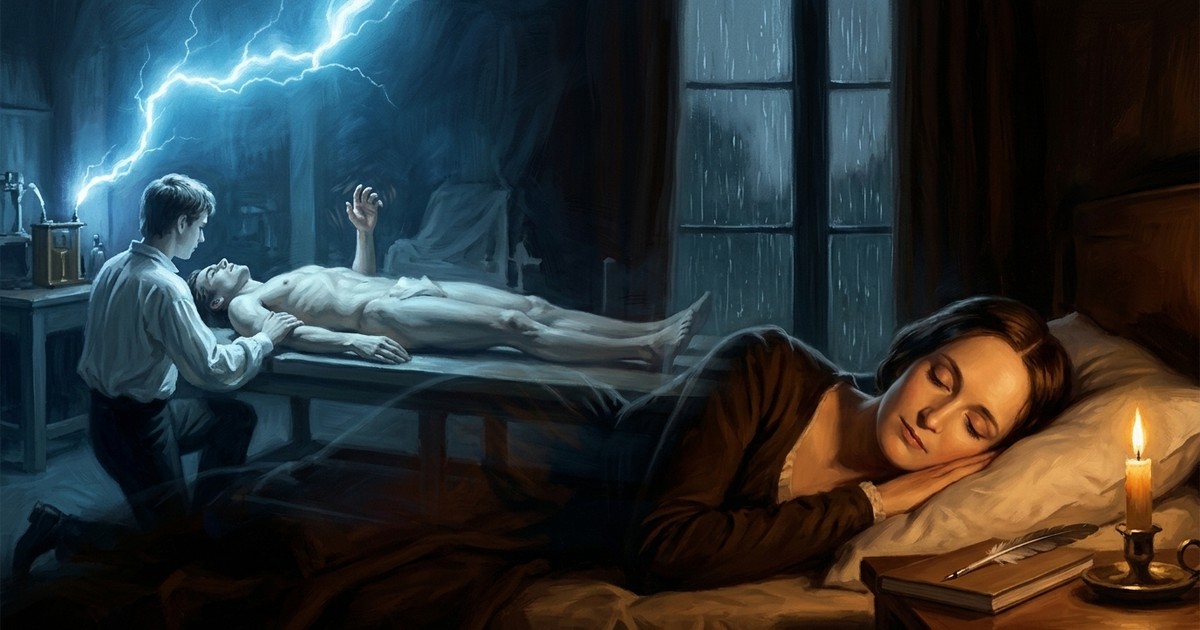
Mary Shelley Dreamed Frankenstein — Except She Wrote That She Was Not Asleep
Mary Shelley described that night herself: “I did not sleep, nor could I be said to think.” Not a dream but the threshold of sleep — and before it came days of deliberate work on an assigned problem, a late-night conversation about the principle of life, and years of a trained childhood habit of “waking dreams”. Here is the primary source, the 1831 introduction, together with where it is weak.