Sleep hygiene for lucid dreaming: 10 rules
Any induction technique — MILD, WILD, WBTB, SSILD — is built on top of a healthy REM cycle. If REM is shortened or fragmented, the chances of a lucid dream approach zero regardless of practice experience. Sleep hygiene is not a fashionable term but a set of behavioural rules derived by the American Academy of Sleep Medicine (AASM) and backed by hundreds of studies. Below are ten rules with notes on what specifically changes for a lucidity practitioner.
Regular schedule. Waking at the same time even on weekends is the foundation of foundations. A two-hour shift on Saturday produces "social jet lag", which moves the REM windows and fragments the late cycles — the same cycles where lucidity usually happens. For lucid practice: a shift of no more than 30 minutes from the average is allowed, so WBTB windows stay predictable.
Alcohol. Suppresses REM in the first 3–4 hours of sleep and produces a compensatory REM rebound in the second half of the night, with fragmented vivid dreams. Sometimes alcohol seems to "help" recall dreams, but it is recall of broken sleep, not quality sleep. The concrete rule: zero alcohol within 4 hours of sleep, at minimum.
Caffeine. Half-life of 5–6 hours, in slow metabolisers 8–10. A cup of coffee at 15:00 significantly degrades sleep architecture even if you fall asleep without trouble. For lucid practice: stop after 14:00. Tea is acceptable until 16:00, but skip strongly fermented varieties.
Screens and blue light. Suppress melatonin production and shift REM onset. For lucid practice this is especially harmful: REM becomes shorter and less vivid. The rule: screens off 60 minutes before sleep. If work doesn't allow it — use blue-light filters, night mode, and minimum brightness.
Bedroom temperature. Optimal range 16–19°C. Heat shortens REM (the body spends resources on thermoregulation), cold fragments falling asleep. For lucid practice the second half of the night matters most, when REM phases grow longer — so stable temperature by hour five is more important than in the first hour.
Darkness. Any ambient light — from a streetlamp, charger LED, electric clock — lowers melatonin. Blackout curtains or a sleep mask, indicator LEDs taped over. For lucid practice this is critical: lucidity training rests on REM quality, and REM rests on darkness.
WBTB compatibility. Interrupting sleep at the 5th hour is acceptable only with a regular 7–8 hour sleep schedule. If you sleep 5–6 hours, WBTB compounds the deficit and turns practice into deprivation. No more than two WBTB sessions per week, in cycles of 3–4 weeks with a break.
Physical activity. Cardio improves slow-wave sleep, which indirectly helps late-night REM. But no later than 3 hours before sleep, otherwise sympathetic activation extends sleep onset and damages the first cycle. Strength training: 4 hours before.
Pre-sleep stress. The most underrated parameter. Ten minutes of mindful activity — 4-7-8 breathing, an Andrew Huberman NSDR session, unstructured journal writing — are worth more than any induction protocol. Without them you train lucidity on an aroused nervous system, which works poorly and burns out quickly.
Supplements and galantamine. B6 at 240 mg significantly improves dream recall; galantamine (prescription-only) gives a +42% increase in lucid-dream frequency. Both are covered in separate articles with safety notes. Sleep hygiene is the foundation, pharmacology is the superstructure: the first is mandatory, the second is optional and approached with care.
The CIA Astral Projection Report: What the Gateway Document Actually Says and What Was on the Missing Page 25
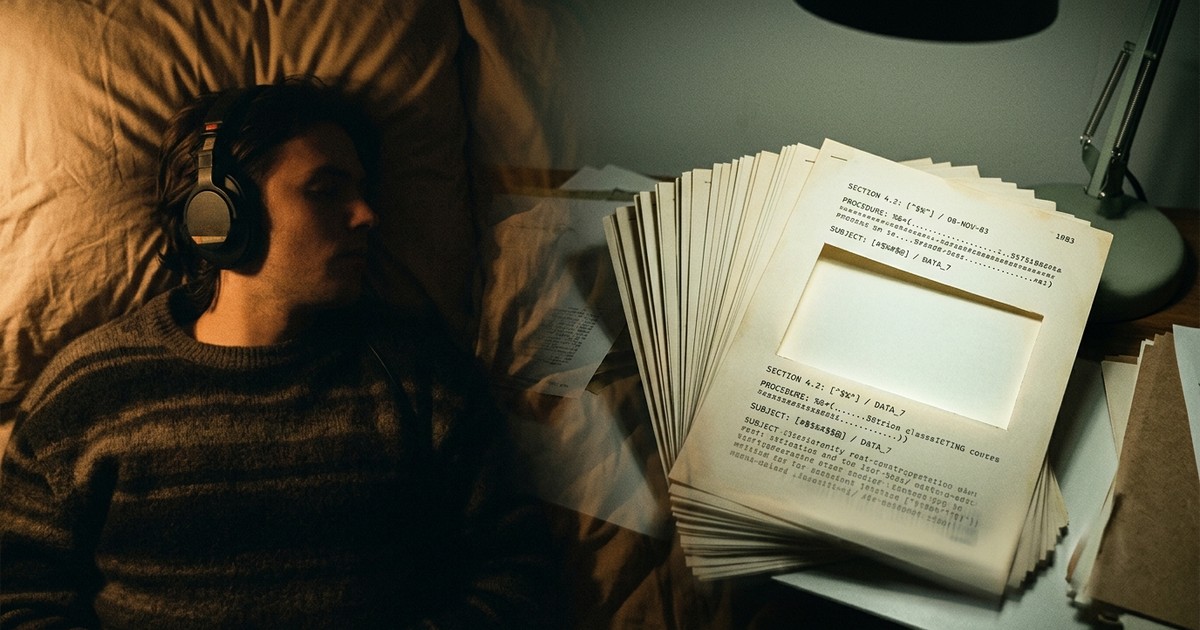
The document is real and you can download it: 29 pages, dated 9 June 1983, signed by Lieutenant Colonel Wayne McDonnell. It is not a CIA report and not a manual for astral projection — it is an Army memo assessing a commercial audio course. Here is the primary source: what it says about leaving the body, why one page was missing for eighteen years, and what turned out to be on it.
Mary Shelley Dreamed Frankenstein — Except She Wrote That She Was Not Asleep
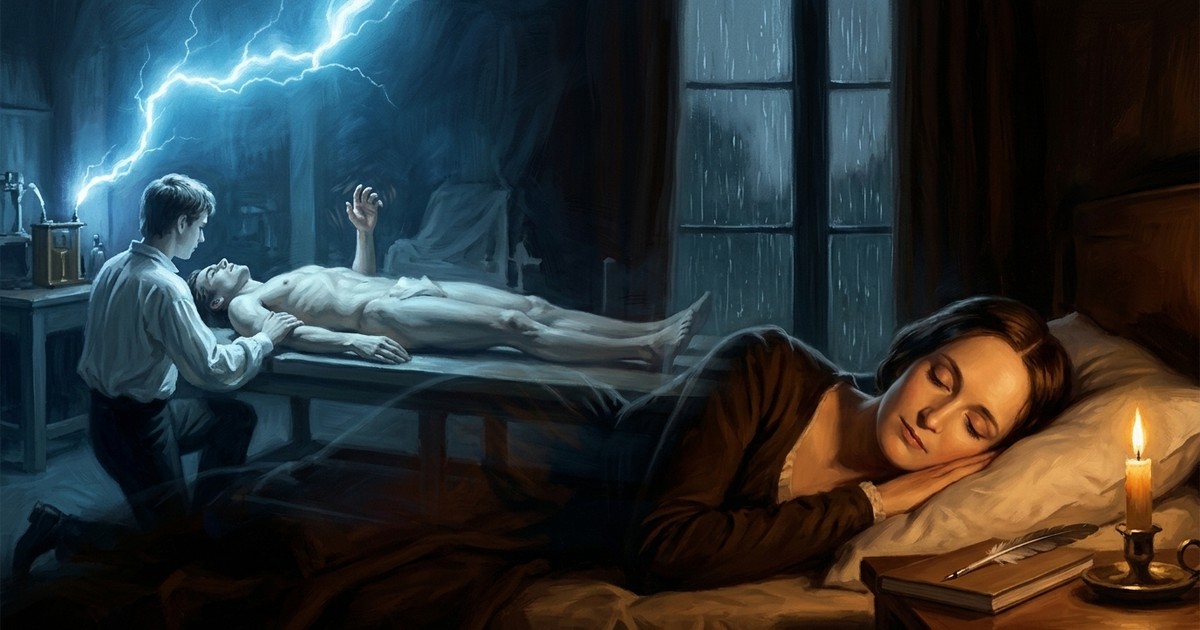
Mary Shelley described that night herself: “I did not sleep, nor could I be said to think.” Not a dream but the threshold of sleep — and before it came days of deliberate work on an assigned problem, a late-night conversation about the principle of life, and years of a trained childhood habit of “waking dreams”. Here is the primary source, the 1831 introduction, together with where it is weak.